
Mastering Internet Usage Monitoring: Tips and Tricks for a Balanced Online Life
Internet usage monitoring involves tracking online activity. This practice reveals how individuals or groups spend time on the internet. It can be a tool for understanding digital habits, promoting productivity, and safeguarding against risks. Monitoring can be implemented by individuals for personal insight or by organizations for oversight.
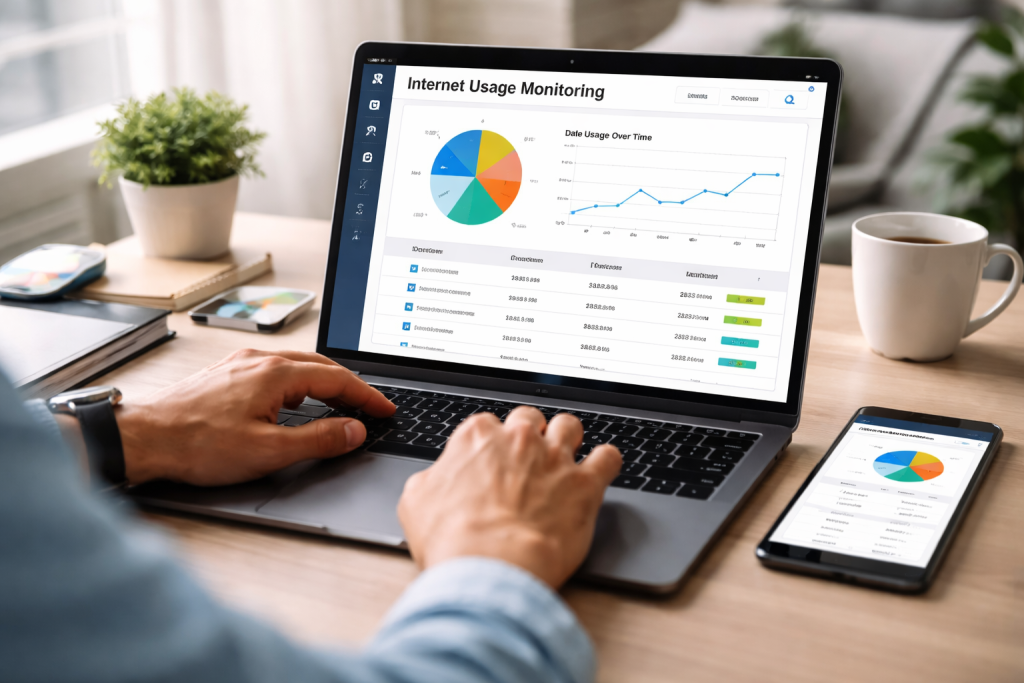
User data privacy is a central concern when discussing internet usage monitoring. Ethical implementation requires transparency and adherence to relevant regulations. Organizations must clearly communicate their monitoring policies to users. Individuals choosing to monitor their usage should be aware of the data collected by monitoring tools.
Contents
- 1 Understanding the Importance of Internet Usage Monitoring
- 2 Setting Boundaries and Limits for Online Activities
- 3 Utilizing Tools and Apps for Effective Internet Usage Monitoring
- 4 Balancing Work and Personal Time Online
- 5 Recognizing the Signs of Internet Addiction and How to Address It
- 6 Creating a Healthy Online Environment for Children and Teens
- 7 Tips for Maintaining a Balanced Online Life
- 8 FAQs
- 8.1 What is internet usage monitoring, and why is it important?
- 8.2 How can boundaries and limits be set for online activities?
- 8.3 What tools and apps can be utilized for effective internet usage monitoring?
- 8.4 How can work and personal time be balanced online?
- 8.5 What are the signs of internet addiction, and how can it be addressed?
Understanding the Mechanics of Monitoring
Internet usage monitoring operates through various mechanisms. Network-level monitoring captures traffic flowing through a router or server. Application-level monitoring focuses on specific software usage on a device. Browser extensions or dedicated applications can track visited websites, time spent on pages, and application use. Keylogging, while a form of monitoring, is generally considered intrusive and ethically questionable without explicit consent and clear justification.
Legal and Ethical Frameworks
The legal landscape surrounding internet usage monitoring is complex and varies by jurisdiction. Laws like the General Data Protection Regulation (GDPR) in Europe and the California Consumer Privacy Act (CCPA) in the United States impose significant requirements on data collection and processing. Employee monitoring often falls under specific labor laws that balance employer interests with employee privacy rights. For personal monitoring, an individual primarily navigates their own ethical considerations regarding self-surveillance.
Understanding the Importance of Internet Usage Monitoring
Monitoring internet usage serves several important purposes. For individuals, it can be a mirror reflecting digital consumption habits. Just as a budget tracks financial spending, usage monitoring tracks digital time. This insight can reveal patterns of overuse, highlight unproductive activities, or identify areas where habits could improve.
Enhancing Productivity and Focus
Unmonitored internet use can lead to distractions, such as a quick check of social media that spirals into an hour of scrolling. A quick check of social media can spiral into an hour of scrolling. Monitoring can sharply highlight these time sinks. Individuals can make informed choices to reallocate their attention by observing the amount of time they spend on activities unrelated to work or study. This awareness encourages a more thoughtful approach to online engagement, assisting in guiding daily tasks away from the pitfalls of digital distraction.
Safeguarding Against Online Risks
For parents, monitoring children’s internet usage is a critical aspect of online safety. The internet, while a powerful educational tool, also harbors potential dangers such as exposure to inappropriate content, cyberbullying, or predatory behavior. Monitoring acts as a protective shield, allowing parents to guide their children through the digital world safely. Similarly, for organizations, monitoring can help detect security breaches, prevent data loss, and ensure compliance with company policies. This type of tracking is akin to a lighthouse scanning the horizon for potential threats.
Recognizing Digital Well-being Trends
Beyond individual productivity or safety, aggregate internet usage data can reveal broader trends in digital well-being. Researchers use such data to understand the societal impact of technology. This macro-level understanding informs public health initiatives and policy decisions aimed at promoting healthier digital habits.
Setting Boundaries and Limits for Online Activities
Establishing clear boundaries for online activity is fundamental to a balanced digital life. Without them, the internet can become an endless ocean that consumes all available time. Boundaries act as a shoreline, defining where online engagement begins and ends.
Defining Time Allocations
A critical first step is to allocate specific time slots for online activities. This might involve setting a fixed duration for social media use each day or earmarking specific hours for work-related browsing. The goal is to move from passive consumption to active management of digital time. For example, instead of aimlessly browsing, one might designate 30 minutes for research on a specific topic.
Designating “Offline” Zones and Times
Equally important is establishing “offline” zones or times. This could mean no devices at the dinner table, a complete digital detox for an hour before bed, or an entirely screen-free weekend afternoon. These periods allow for engagement with the physical world, fostering real-life connections and activities. It’s about creating pockets of silence in the otherwise bustling digital symphony.
Communicating Expectations (Especially for Families)
When setting boundaries within a family, clear communication is essential. Children and teenagers need to understand the rationale behind limits. Explaining the benefits of balanced online use, rather than framing limits as punishment, can foster cooperation. This also applies to workplaces, where employees should understand acceptable internet use policies. Transparent communication ensures everyone is on the same page regarding digital conduct.
Utilizing Tools and Apps for Effective Internet Usage Monitoring
Various tools and applications can assist in monitoring internet usage. These range from simple timers to comprehensive monitoring suites. The right tool depends on individual needs and the desired level of intrusion.
Browser Extensions and Website Blockers
Many web browsers offer extensions that track time spent on specific websites or categories of sites. Examples include “RescueTime” or “StayFocusd.” These extensions provide visual reports of usage patterns and can even block access to specified sites after a set time limit. They are typically simple to install and manage, offering a low-friction entry point into usage monitoring. Think of them as traffic cops directing your digital flow.
Dedicated Monitoring Software
For more granular control, dedicated monitoring software can track application usage, website visits, and even keyboard activity (with appropriate ethical considerations). Parents or businesses often use these tools. Content filtering, remote access viewing of activity logs, and alerts for specific keywords are among the features available. They include “Qustodio” or “Teramind.” Such software offers a more comprehensive overview of digital behavior.
Device-Native Features
Many operating systems (like iOS and Android) and gaming consoles now include built-in “screen time” or “digital well-being” features. These tools allow users to set app limits, schedule downtime, and view detailed reports of their device usage. They offer a convenient and integrated way to manage digital habits without needing third-party applications.
Balancing Work and Personal Time Online
| Metrics | 2019 | 2020 | 2021 |
|---|---|---|---|
| The average daily screen time (hours) was between 3.5 and 4.2. | 3.5 | 4.2 | 5.1 |
| Percentage of people working from home | 25% | 45% | 60% |
| Percentage of people feeling burnt out | 30% | 40% | 50% |
The lines between work and personal life have blurred, partly due to constant online connectivity. Striking a balance is crucial to prevent burnout and maintain work-life balance. While the internet serves as a powerful tool for work, it also has the potential to consume time that devours personal time.
Establishing Clear Work-Life Segregation
Even when working remotely, it’s beneficial to establish clear boundaries. This might involve using a dedicated “work” browser profile, having a specific workspace, or adhering to strict work hours. Avoid checking work emails or messages outside these designated times. Such behavior creates virtual walls between professional and personal spheres, even if the physical space is the same.
Scheduling Digital Breaks
During work hours, planned digital breaks can refresh focus. These breaks might involve stepping away from the screen, engaging in a non-digital activity, or even checking personal emails briefly within a set timeframe. Scheduling these breathers prevents the cumulative fatigue of constant screen engagement.
Mindful Personal Online Engagement
When engaging in personal online activities, practice mindfulness. Instead of browsing aimlessly, engage with a specific purpose in mind. Are you learning something new? Connecting with loved ones? Engaging in a hobby? By intentionally managing your personal online time, you can avoid it turning into a drain that consumes hours without providing any significant benefits.
Recognizing the Signs of Internet Addiction and How to Address It
Internet addiction, more formally known as Internet Gaming Disorder or problematic internet use, is a behavioral addiction characterized by excessive and compulsive internet use that interferes with daily life. Recognizing its signs is the first step towards seeking help. This is like recognizing the symptoms of an illness before seeking a cure.
Identifying Behavioral Patterns
Key signs include spending increasing amounts of time online to achieve the same level of satisfaction (tolerance), feeling irritable or anxious when unable to access the internet (withdrawal), repeatedly unsuccessful attempts to cut down internet use, neglecting important responsibilities due to online activity, and using the internet to escape from negative emotions. Deception about the amount of time spent online is also a common indicator.
Impact on Daily Life
The compulsion to use the internet can lead to significant negative consequences. Relationships may suffer, academic or work performance can decline, and physical health problems like sleep deprivation or poor hygiene can emerge. Financial difficulties might arise from excessive online shopping or gambling. The virtual world overtakes and overshadows the real one.
Seeking Professional Help
If these signs are present and significantly impacting life, professional help is advisable. Therapists specializing in addiction can provide strategies for managing problematic internet use. Cognitive Behavioral Therapy (CBT) is often effective in identifying and changing unhealthy thought patterns and behaviors related to internet use. Support groups can also provide a sense of community and shared experience. This is not a journey to embark on alone.
Creating a Healthy Online Environment for Children and Teens
Children and teenagers are digital natives, but they still require guidance to navigate the online world safely and healthily. Parents act as navigators, charting a course through the vast digital ocean.
Parental Controls and Content Filtering
Implementing parental control software and utilizing built-in device features to filter inappropriate content is a fundamental step. These tools can block access to adult websites, restrict app downloads, and set time limits for device use. This creates a safer digital perimeter for younger users.
Open Communication and Education
Beyond technical controls, open and ongoing communication is paramount. Talk to children about online safety, privacy, cyberbullying, and responsible digital citizenship. Educate them about the permanence of online actions and the importance of critical thinking regarding online information. Encourage them to share any uncomfortable online experiences. This dialogue fosters trust and empowers children to make informed decisions.
Leading by Example
Children learn by observing. Parents’ own digital habits significantly influence their children’s. Demonstrating balanced internet use, designated screen-free times, and engaging in offline activities sets a positive example. Modeling responsible digital behavior is a powerful educational tool, a silent lesson in moderation.
Tips for Maintaining a Balanced Online Life
Achieving and maintaining a balanced online life is an ongoing process. It requires self-awareness, discipline, and intentional effort.
Regular Digital Detoxes
Periodically disconnecting from digital devices for a set period, whether an hour, a day, or a weekend, can be incredibly rejuvenating. These “digital detoxes” allow for reconnection with the physical world, introspection, and engagement in non-digital hobbies. It’s like pressing a reset button for your digital brain.
Cultivating Offline Hobbies and Activities
Actively pursue hobbies and interests that do not involve screens. This could be reading physical books, engaging in sports, spending time in nature, or developing creative skills. A diverse range of activities beyond the digital realm provides a rich and fulfilling life, reducing dependence on online stimulation.
Practicing Mindfulness and Self-Awareness
Regularly reflect on your online habits by asking yourself, “Am I using the internet intentionally, or am I mindlessly scrolling?” “How does this online activity make me feel?” Ask yourself, “Am I using the internet intentionally, or am I mindlessly scrolling?” “How does this online activity make me feel?” Recognizing the emotional impact of online interactions can guide healthier choices. This self-assessment is akin to monitoring your digital health.
Prioritizing Real-World Connections
Actively nourish relationships with family and friends through in-person interactions. While online communication has its place, face-to-face contact fosters deeper connections and emotional well-being. Make time for shared meals, conversations without devices, and collaborative activities. These connections serve as anchors in the sometimes turbulent digital sea.
FAQs
What is internet usage monitoring, and why is it important?
Internet usage monitoring refers to the practice of tracking and managing one’s online activities to ensure a healthy balance between work, personal time, and leisure. It is important because excessive internet usage can lead to addiction, decreased productivity, and negative impacts on mental and physical health.
How can boundaries and limits be set for online activities?
Boundaries and limits for online activities can be set by establishing designated times for internet usage, creating technology-free zones in the home, and using parental control tools to restrict access to certain websites and apps. It is also important to communicate openly with family members about the importance of setting boundaries for online activities.
What tools and apps can be utilized for effective internet usage monitoring?
There are various tools and apps available for effective internet usage monitoring, including time tracking apps, website blockers, and parental control software. These tools can help individuals and families track their online activities, set limits on screen time, and block access to distracting or harmful content.
How can work and personal time be balanced online?
Work and personal time can be balanced online by establishing a clear schedule for work-related tasks, setting boundaries for personal internet usage during work hours, and taking regular breaks to disconnect from the online world. It is important to prioritize self-care and maintain a healthy work-life balance.
What are the signs of internet addiction, and how can it be addressed?
Signs of internet addiction include excessive time spent online, neglect of personal responsibilities, withdrawal symptoms when offline, and negative impacts on mental and physical health. Internet addiction can be addressed through therapy, support groups, and the implementation of healthy internet usage habits.

Smart Tech Manual is a technology-focused platform dedicated to providing simple, clear, and beginner-friendly guides for everyday users.